What I’ve Learned After 100,000+ Words

January 21, 2026

January 21, 2026
After one full year of the Eudēmonia Newsletter, it feels like the right moment to reflect on what I’ve learned after writing 100,000+ words about health, wellness, and vitality.
Let’s look at the patterns that kept repeating themselves across 12 months of research, conversations, and reader questions. These principles hold whether you’re 25 or 65, whether you’re optimizing aggressively, actively trying to heal, or just finding ways to feel a little better in your own skin
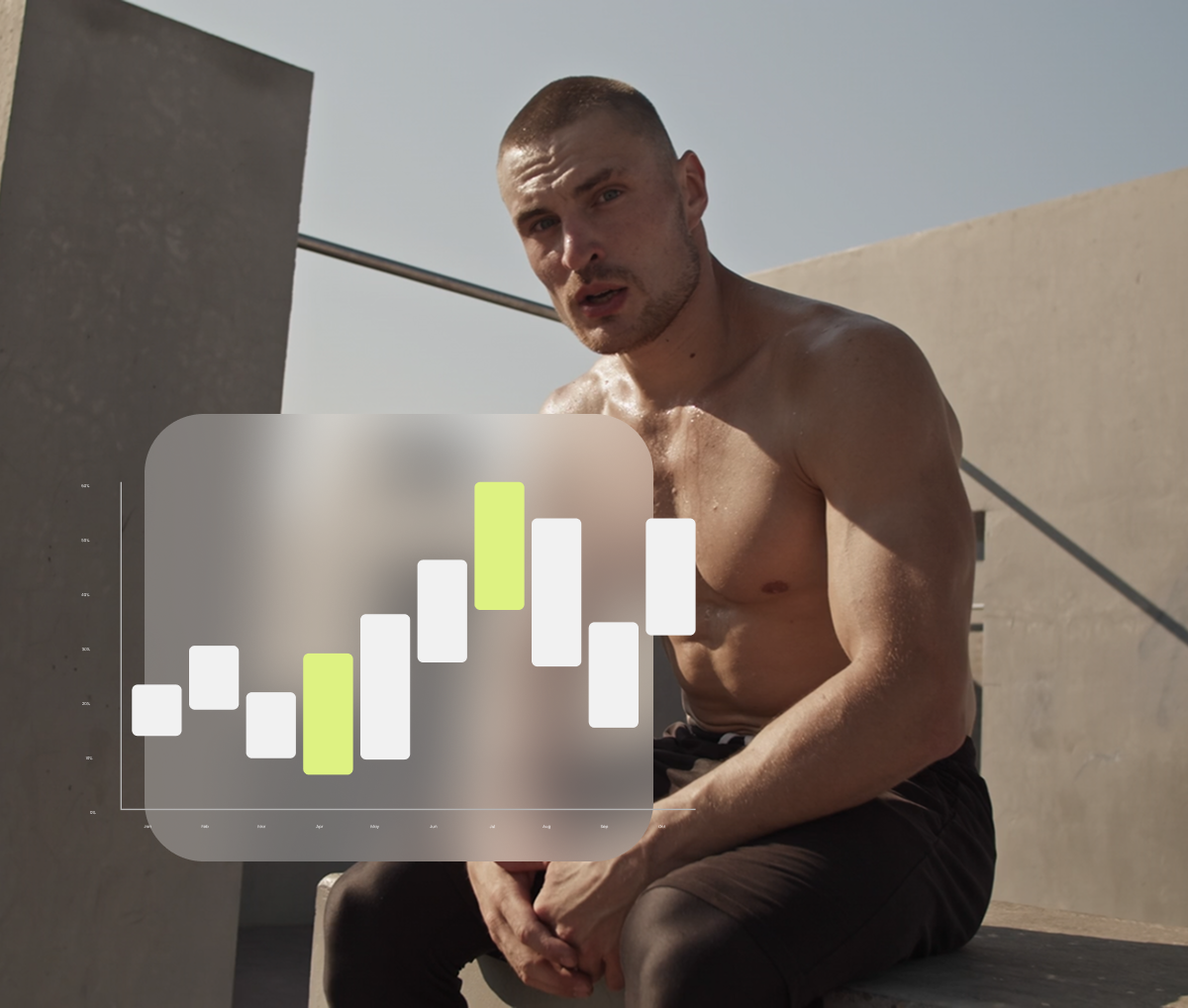
It moves fast—almost uncomfortably fast. But it’s long enough to create real change. To make progress that actually compounds. To look back and realize you’re not standing in the same place anymore.
Most days (or even weeks, maybe months), it doesn’t feel like much is happening. But over a year, your work stacks quietly and your effort compounds nicely. One day, you turn around and realize you are not the same person—and in a way that’s hard to unsee once it’s happened. I wonder where we’ll be standing next year at this time.
I hear it a lot. Chasing perfect routines or checking each box every day isn’t realistic for most people. And it often becomes the thing that stops people from staying consistent at all. Missing once or twice starts to feel like failure, and failure becomes a reason to stop altogether. Certain “wellness badges” are just unavailable to everyone based on a variety of factors.
But when change is important, what matters most is consistency. Real progress comes from showing up again after imperfect days.
What consistency looks like is yours to define. But I do believe in setting the bar high. Ambition is useful. If you aim high and miss, you rarely land nowhere. You usually find yourself somewhere better than where you started.
But there’s a difference between ambition and overload. We chip away at getting our daily steps, at improving our sleep, at better food and less screen time. Little by little if we have to.
Taking on too much at once, or trying to change everything at the same time, often sets you up to fail before you’ve even begun.
Everyone has questions. And there aren’t a lot of universal answers.
The modern wellness world demands an important skill: discernment. We live at a time with unlimited information and very limited guidance. Health has become a kind of open-Internet project.
Everyone is researching. Everyone is comparing notes. Everyone is trying to build a personal operating system from podcasts, papers, bloodwork, and whatever showed up in their feed that week. But there isn’t a one-size-fits-all solution or framework.
Some of it is real progress. Some of it is marketing wearing a lab coat. And the hard part is that both often use the same vocabulary. Which makes it very difficult to make decisions.
People have questions because the landscape is changing fast, there isn’t a single source of truth, and the old system was not designed for proactive health. It was built for intervention, not prevention. I hear often that your doctors don’t have the answers, and sometimes haven’t even heard of the tests, tools, or concepts people are now asking about.
So a new responsibility emerges: not to find perfect answers, but to learn how to think clearly, ask better questions, and move forward without certainty.
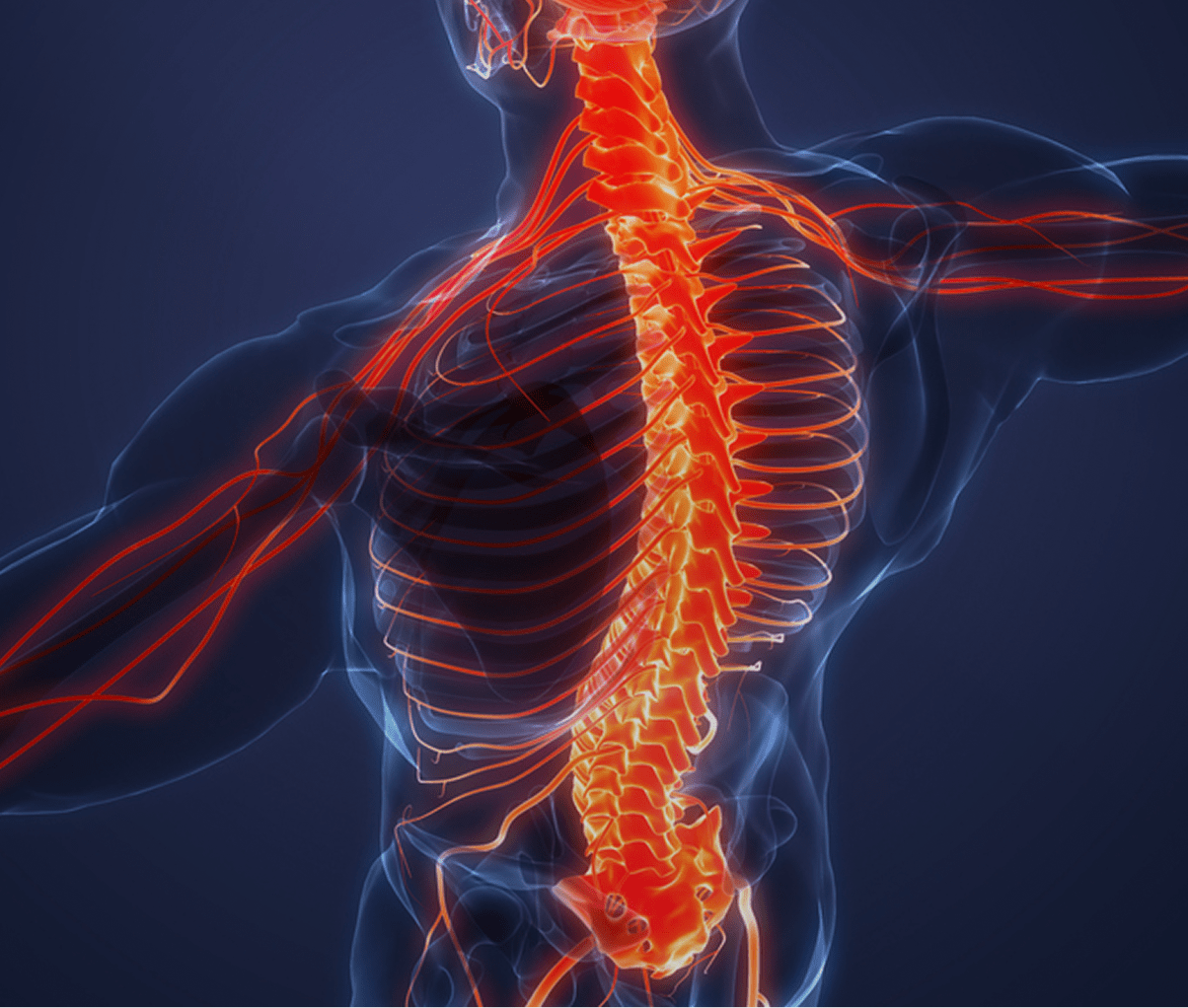
They just need the right conditions to do it. That’s because true health is a systems problem, not a symptoms problem.
If you can balance and optimize your gut, mitochondria, hormones, cortisol, and fitness, many issues resolve on their own. Not because they were fixed directly, but because the environment in which they were occurring changed. And then, when something doesn’t resolve, it becomes clearer, easier to isolate, and far more straightforward to treat.
This reframing changes how you approach almost everything. Instead of chasing individual symptoms, you start asking better upstream questions: What’s driving the imbalance? What’s being overloaded? What’s under supported?
Progress becomes less about adding more interventions and more about removing friction so the system can do what it’s designed for.
Every single thing I write about is aimed at optimizing the big biological systems.
I’m aware that I approach health from a place of privilege. I’m largely trying to optimize, to stay well, and to feel as good as I can for as long as possible. And the fact that I get to think about health in those terms is not something I take lightly.
Many of you are on a different journey. Not optimizing, but healing. Trying to feel normal in your own body again. In your digestion, your energy, your mood. Looking for relief from pain, from disease, from a body that’s betraying you. I hear from many of you who are still searching for answers to problems you haven’t yet been able to solve. It’s crazy to me that in 2026, we still know so little.
But I’m grateful I get to be part of this with you. I don’t take for granted the trust it takes to let someone into something as personal as your health. My goal has never been to overwhelm or impress, but to help clarify. To organize what’s confusing and spotlight what matters.
And to make this path feel a little less lonely and a little easier, wherever you happen to be on it.
January 21, 2026
January 16, 2026

January 9, 2026

January 2, 2026

December 26, 2025
December 19, 2025

December 12, 2025
December 8, 2025
December 5, 2025